
🏆
High Exertion Zone
Athletic Trainer Path
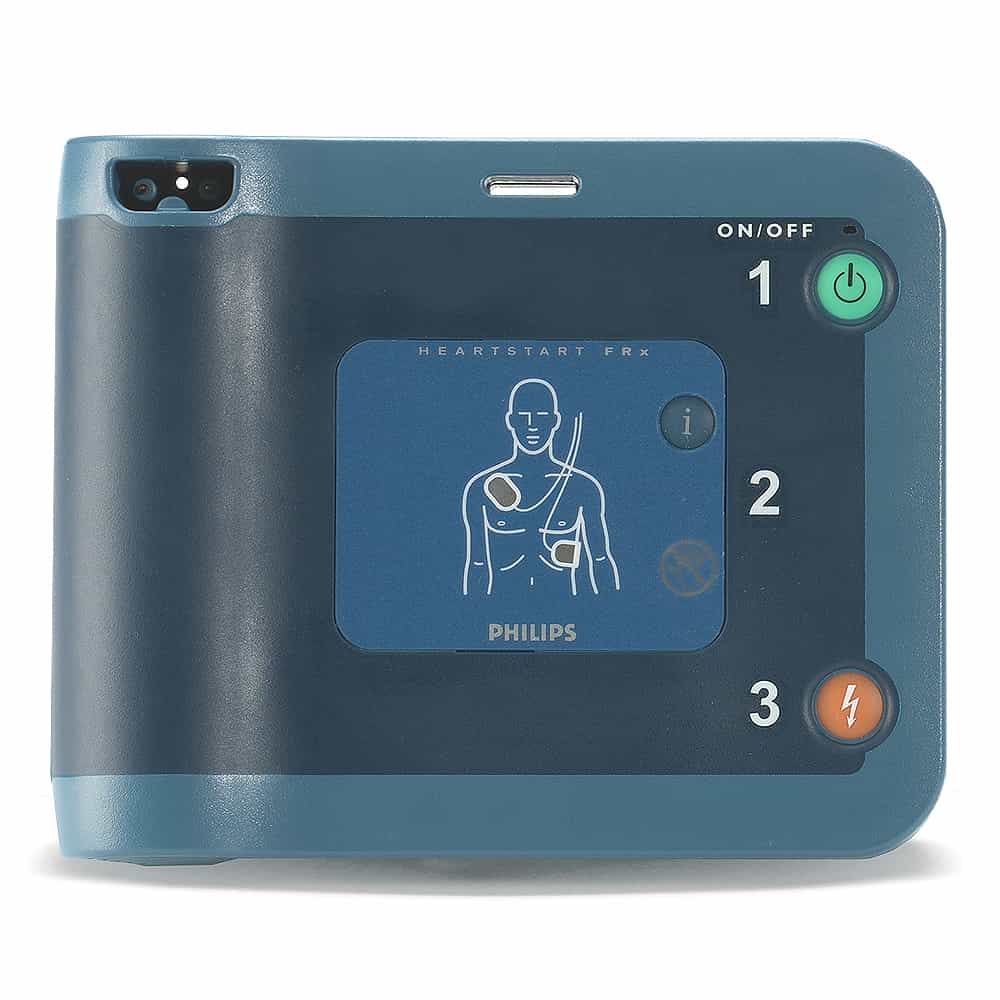
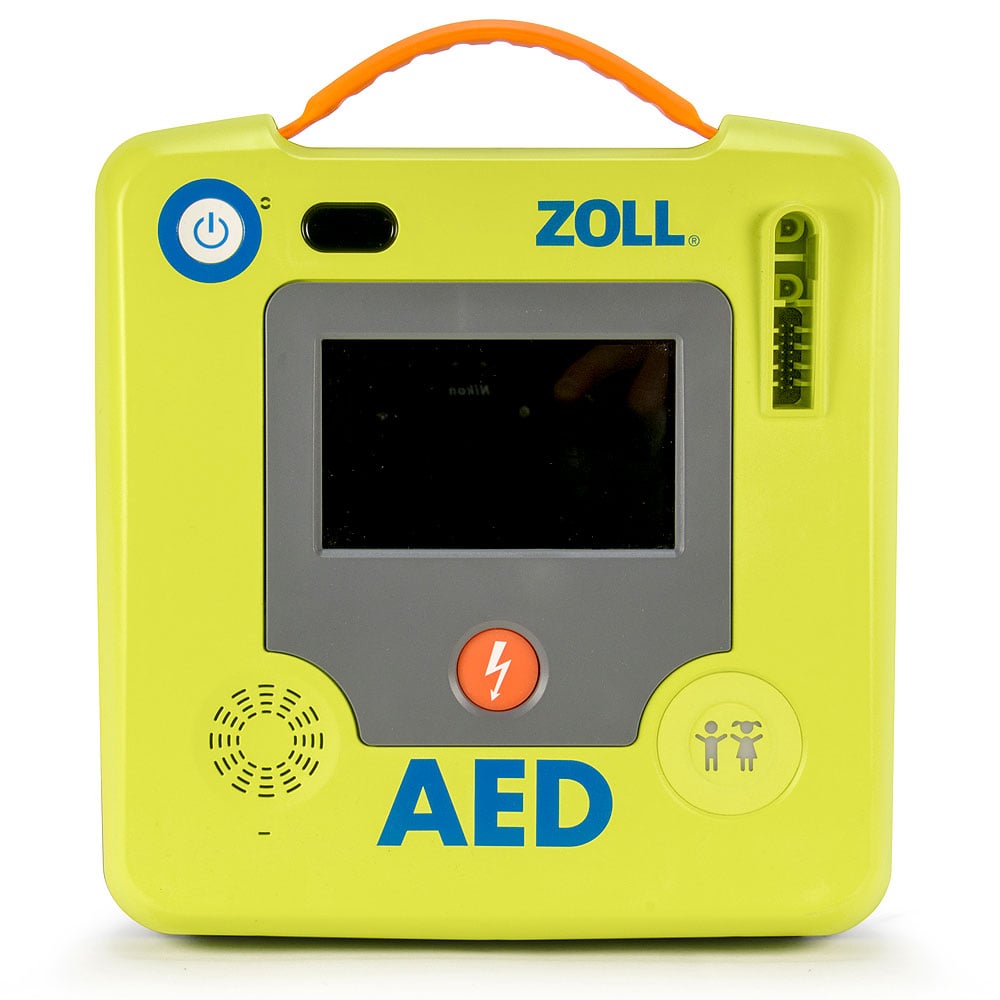
Best AEDs for Sports & Athletics
Stadium · Field · Court · Locker Room
Sudden cardiac arrest in athletes is the leading non-traumatic cause of death in young competitors. The most impactful AED feature for sports environments is real-time CPR feedback for athletic trainers, paired with IP55+ outdoor durability and pediatric capability for youth sports.
~7,000
Student-athlete SCAs/year
AHA 2023
3 min
Field → AED standard
NATA + AHA
90%
Survival w/ AED in 3 min
AHA Guidelines
17×
SCA risk during exertion
NEJM 2000
"In youth + collegiate sports, the AED that wins is the one the athletic trainer reaches for without thinking — CPR feedback + rugged build + simple deployment."
🏆 Top 3 Picks
Field-tested for athletic environments

📍 Sports Deployment
Coverage, training, environment
Placement
Sideline + locker room
Primary AED on athletic-trainer sideline. Secondary in locker room for off-field events. Indoor courts get a wall-mounted unit. Football stadiums need ≥3 units (field + bleachers + locker room).
NATA Standard
3-minute response
National Athletic Trainers' Association requires AED accessibility within 3 minutes of any athletic activity. Specifies emergency action plan documentation for every venue.
Training
Trainers + coaches
All athletic trainers BLS + AED certified. Train head coaches as backup responders. Annual emergency action plan rehearsal at each venue.
Outdoor
Temperature + weather
IP55 minimum for outdoor sports. Don't store AEDs in unheated equipment sheds — cold dramatically shortens battery + pad life. Hard-shell carry case for sideline transport.
Athletic Director Checklist
AED accessible within 3 minutes of every venue
Athletic trainers + head coaches BLS + AED certified
IP55+ rating for outdoor fields
Written Emergency Action Plan per venue
Annual EAP rehearsal with all staff
Pediatric pads/key for youth-sports programs
AED registered with local EMS
Monthly inspection + maintenance log