
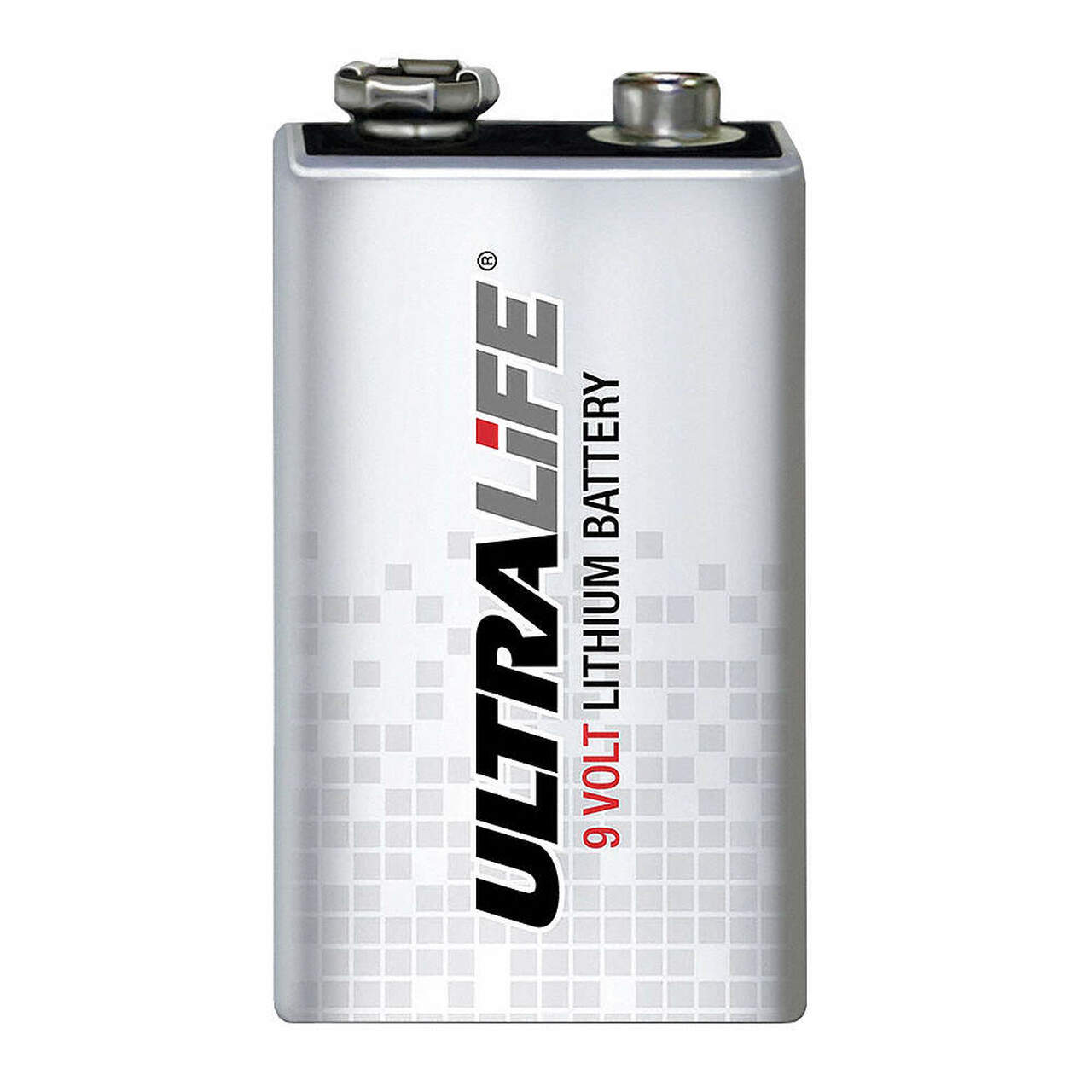
9-Volt Replacement Battery for Defibtech
The 9-Volt Replacement Battery for Defibtech is a replacement power source designed to maintain AED operational readiness. Proper battery replacement is essential for ensuring your device can respond when needed..
Listed price when last checked. Confirm current price, stock and bundle options on the retailer page before ordering.
Prices, configurations and included accessories may vary by retailer and product.
- Both are authorized US distributors.
- Full manufacturer warranty. Authentic manufacturer pads and battery.
- We earn a commission on referred sales. It does not change our scoring.
Technical Specifications.
- The Editorial Verdict
The 9-Volt Replacement Battery for Defibtech is a replacement power source designed to maintain AED operational readiness. Proper battery replacement is essential for ensuring your device can respond when needed.
Compatible AED Models
Verify compatibility with your specific AED model before ordering.
Replacement Timing
Replace when the device indicates low battery or when the manufacturer’s recommended interval has been reached.
Storage
Store in original packaging at room temperature away from extreme heat or cold.
Key Features
- Reliable power for emergency readiness
- Check compatibility before ordering
- Device monitors battery status automatically
The 9V status indicator battery is the most-forgotten battery in a Defibtech AED program. It powers the small green/red readiness light separately from the main battery, which means the device can look “ready” (green light) even when the main battery is dead. This creates a dangerous false sense of readiness. Manual battery verification is the only reliable check. The 9V is inexpensive but critical: replace at least annually, and never skip the monthly visual check that confirms both batteries.
What We Like
What We Don't
Who Should Buy the 9-Volt Replacement Battery for Defibtech ?
Plan Your AED Deployment
Coverage, cost, and compliance, three tools, 10 minutes total.
Step 1
Quantity Calculator
How many AEDs does your facility need? Building type, sq ft, floor count. AHA 3-minute standard.
Step 2
Cost Calculator
True 5-year program cost. Device + pads + battery + cabinet + inspection + training + registration.
Step 3
State AED Laws
Is an AED required in your state? Check the school, gym and workplace rules for your state. Get the specific rule.
- Head-to-Head
Compare side-by-side.
Philips FRx vs ZOLL AED Plus
The two most-recommended AEDs. Pediatric key vs CPR feedback. Which one wins for your facility?
Philips FRx vs HeartSine 350P
Editor's Pick vs Budget Winner. Is the $949 price difference worth it for pediatric capability?
Philips FRx vs Philips OnSite
Same brand, different tier. Is the FRx worth the $415 upgrade over the OnSite? Depends on children.
- Also Consider
Related FDA-approved AEDs.


- Common Questions
Frequently asked questions.
What happens if the 9-volt dies but the main battery is healthy?
The Defibtech Lifeline AED still works fully for a rescue, defibrillation depends on the main DBP-1400 or DBP-2800 battery, not the 9-volt. But the visible status indicator LED goes dark, which means your monthly cabinet inspection won’t show readiness status visually. Many facility AED-compliance programs treat a dead status LED as a non-compliance gap during audit. Replace the 9-volt promptly (~$15, 2-year cycle) to maintain inspection compliance, even though rescue capability is unaffected.
Why does the Defibtech need a separate 9-volt?
Defibtech designed the Lifeline with two power systems intentionally: the main DBP-1400/DBP-2800 powers defibrillation, and the 9-volt powers only the always-on status indicator LED. This separation extends the main battery life (which doesn’t drain for the LED’s continuous lighting) and gives the device a more predictable 4-year rescue cycle. The tradeoff is a second consumable to track. Most facility managers calendar both batteries together to minimize maintenance overhead, replace 9-volt every other DBP cycle.
- Verification & Sources
Every spec traces to a primary source.
FDA 510(k) P180028
Philips HeartStart FRx approval verification
Manufacturer documentation
Official product documentation + specifications
AED Leader
Current 2026 US retail pricing reference
American Heart Association
CPR + AED placement guidelines
American Red Cross
Pediatric AED guidance (under 8 / 55 lbs)
AEDBB Methodology
Full editorial framework · 4 primary sources · verified in dated passes