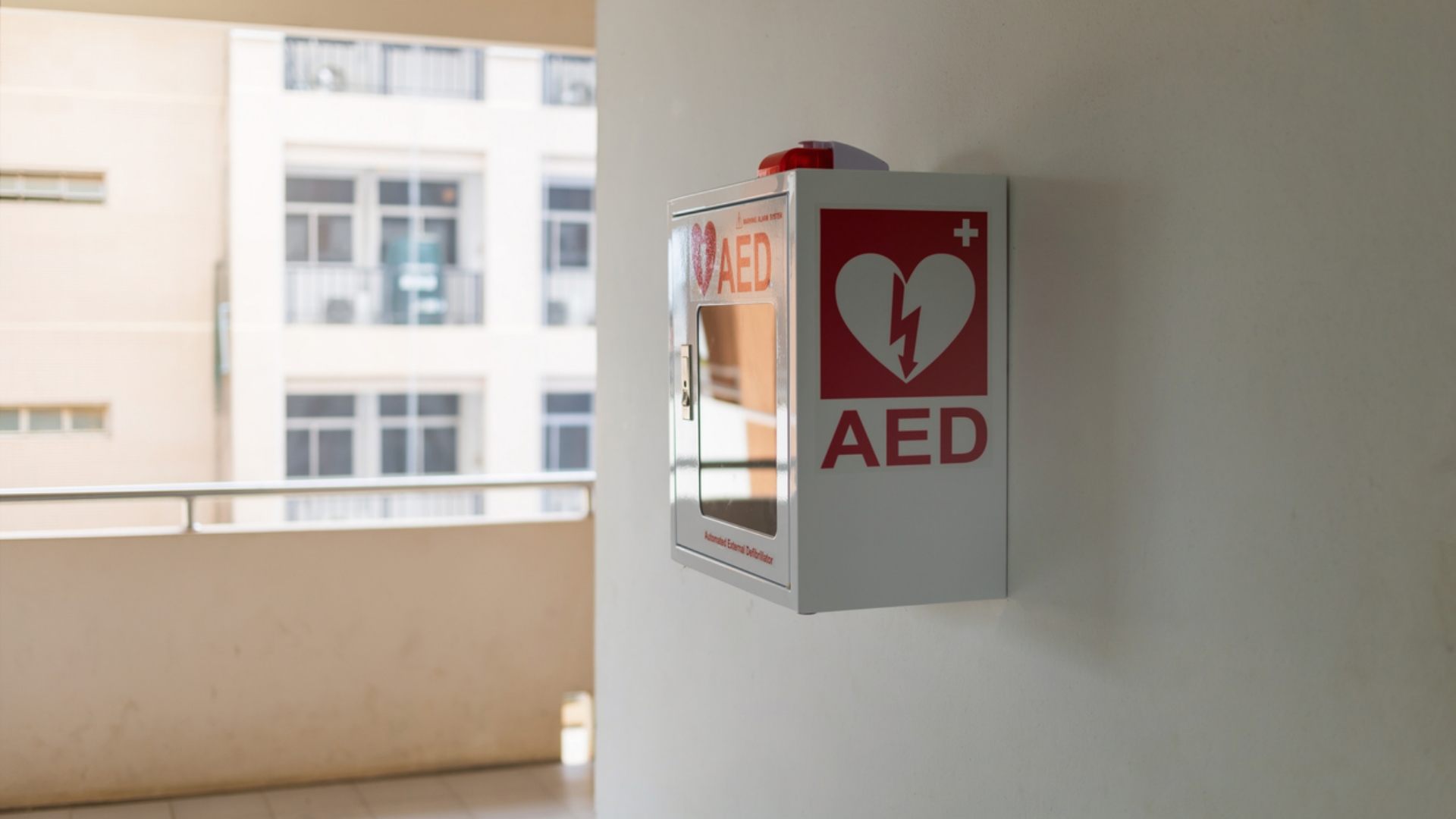
A sudden cardiac arrest can happen anytime, even at home, often without any warning signs. In those key moments, quick action can be the difference between life and death. An Automated External Defibrillator (AED) at home is a crucial tool. It can deliver a life-saving shock to help restore the heart’s rhythm. Every minute counts when it comes to survival. Quick access to an AED is not helpful; it’s a must for home safety.
More families are focusing on emergency preparedness. Because of this, having an AED at home is a smart and reassuring option. Caring for an aging parent or someone with a heart condition helps you respond with urgency. In emergencies, every second matters, so acting with confidence is key. Getting an AED for your home is an easy and effective way to boost safety and calm for everyone living there.
What Makes AEDs So Important?
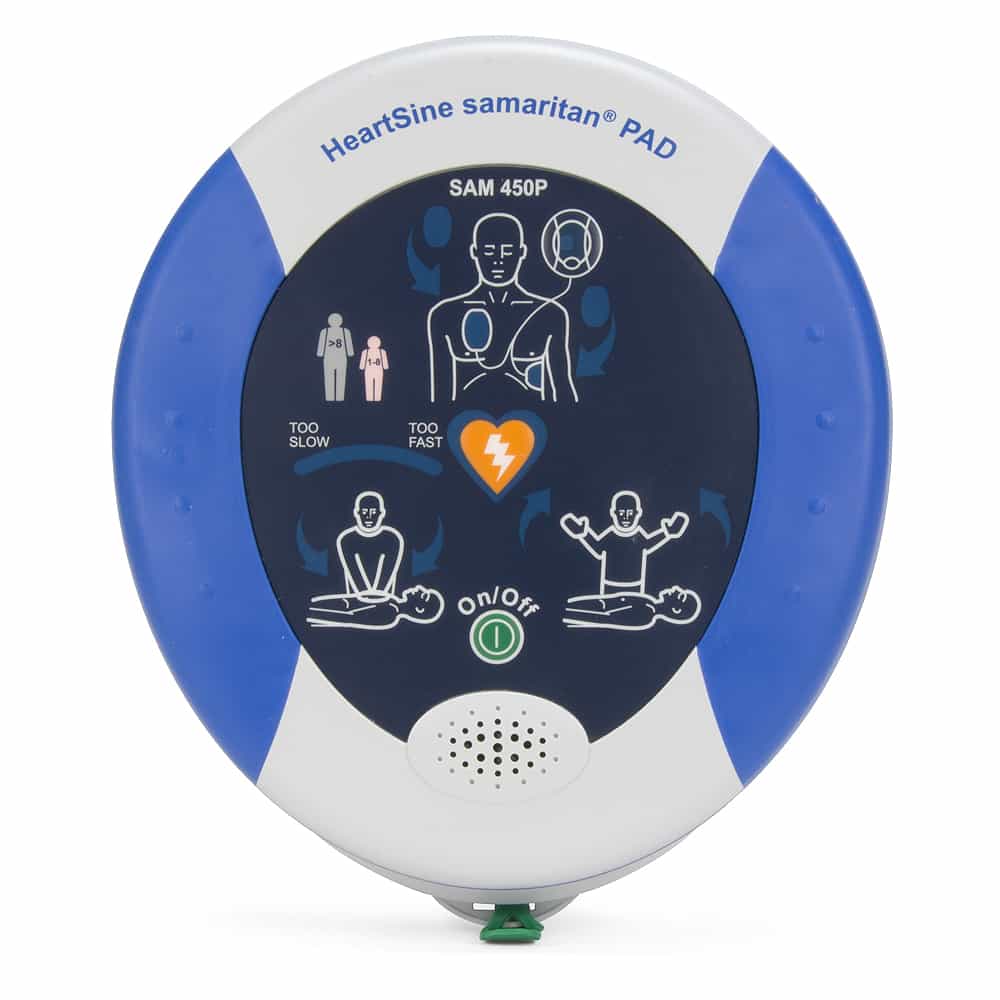
Automated External Defibrillators (AEDs) are vital for saving lives during sudden cardiac arrest. They provide a shock that can restart the heart. These devices are simple to use. They deliver clear voice instructions. This helps users without training to act fast while waiting for emergency services. With each minute that passes, survival rates drop, making immediate use of an AED critical. Access to this device, whether at home or in public, can help anyone save a life.
Understanding the purpose of an AED highlights why having one at home is so important. In sudden cardiac emergencies, it can be the key to restarting a heart and saving a life.
An AED is a vital tool in sudden cardiac arrest. It helps restart the heart’s rhythm when it suddenly stops. This device offers a safe and effective response when survival chances drop quickly. It’s crucial to act fast in those first moments.
The Critical Statistics
Sudden cardiac arrest is a serious medical emergency. It is a leading cause of death in the U.S., claiming over 350,000 lives each year.
Around 70% of cardiac arrests occur at home, and tragically, many don’t survive long enough to receive help. Each year, about 250,000 people die in U.S. households. That’s nearly a third of Seattle’s population.
Why Time Matters
Sudden cardiac arrest happens when the heart suddenly stops beating. This cuts off oxygen to the brain and vital organs. This leads to immediate collapse and unconsciousness. Every minute counts. The chance of survival falls quickly, so using an AED right away is vital to saving a life.
Anyone can use an AED.
Many healthcare professionals have AEDs at home. These devices are made for anyone to use, even if they have no medical training. Research and real-life examples show that even young people can manage emergencies effectively.
Who Should Buy an AED for a Home?
Sudden cardiac arrest can strike anyone, regardless of age, gender, or health. Even those who seem to be in excellent health may encounter this unexpected threat.
Priority Groups for Home AEDs
It’s great to have an AED in every home. It’s even more important for people with health issues or higher risk factors. For these individuals, a personal defibrillator can provide vital protection and reassurance.
- People with heart conditions or a family history of heart problems are at greater risk. They may benefit the most from having an AED close by.
- Healthcare professionals and first responders are often skilled at using AEDs. This comes from their training and hands-on experience.
- High-risk individuals or those in tough activities may need quick access to an AED.
Risk Factors and Warning Signs
Sudden cardiac arrest often strikes without warning, sometimes showing no symptoms at all. This unpredictability makes it crucial to stay prepared and ready to respond immediately.
High-Risk Conditions Include:
- People with heart arrhythmias or similar issues are at greater risk. They might need quick help during a cardiac event.
- Family History of Cardiac Conditions
- Chest pain, fainting, or trouble breathing can mean serious heart problems. So, get help right away.
Informed AED owners
First responders like EMTs, doctors, firefighters, and police can get help calls anytime, even off duty. So, it’s smart for them to have an AED at home.
Additional Groups to Consider AED Ownership
- Frequent hosts of large gatherings.
- People who participate in rural activities.
- Pool owners.
- Homeowner’s Association board members/leaders.
Where to Place Your AED
Key Placement Guidelines:
- Make the AED visible
- Ensure that it’s accessible
- Take it with you on the go
Suggested AED Locations:
- In the hallway next to the thermostat.
- On the garage wall.
- In the glove box of your car (if the AED is small enough).
AED for home use
The Philips HeartStart Home Defibrillator is designed for everyday users. It’s safe, reliable, and easy to use, making it perfect for home emergencies.
Easy to use.
The Life Guidance feature gives clear voice prompts. It helps you with CPR and guides you through each step of the emergency response easily.
Stay confident with your home defibrillator. HeartStart is almost ready to use, so you’re ready when every second counts.
SMART Pads react to your actions in real time. They adjust guidance to match your pace. They also provide steady support throughout the process.
Safe
HeartStart Home is the first defibrillator you can buy without a prescription. It offers trusted innovation for home use.
The HeartStart Home Defibrillator is safe for everyone. This includes children and infants, as long as you use pediatric pads. It checks the situation and shocks only when needed. This keeps treatment safe and accurate.
Reliable
The device uses patented Quick Shock technology. It delivers treatment in 8 seconds after CPR. This ensures a fast response when time is critical.
Choosing the Best AED for Home Use
Important Factors to Consider:
- AED Size & Weight: A home AED should be light and compact, making it easy to carry and ready to use wherever an emergency happens.
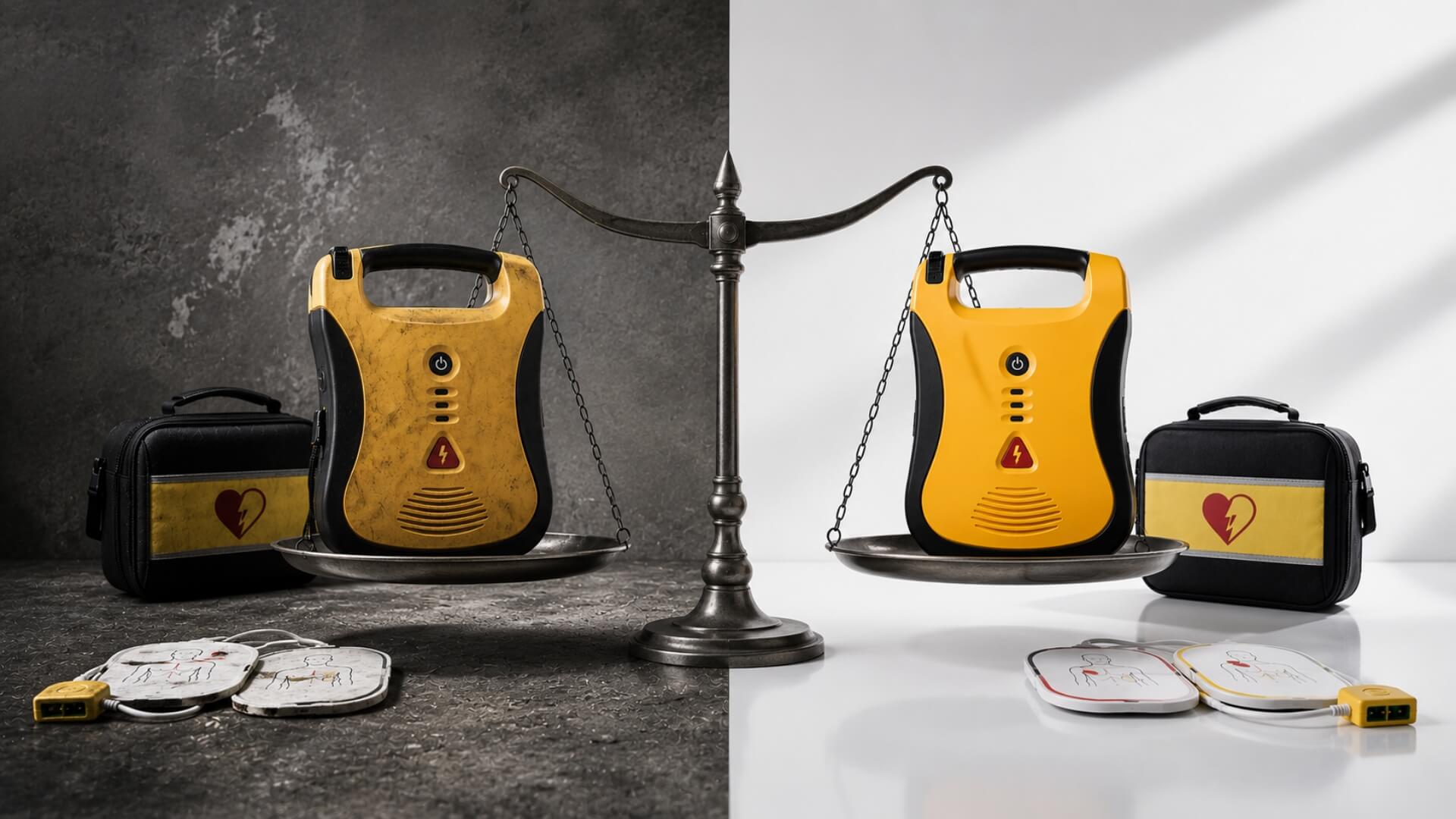
- Price & Total Cost of Ownership (TCO): When picking a home AED, consider the initial price and ongoing costs. These include replacement pads and batteries.
- Pediatric Capabilities: A good home AED should work for all ages, even infants and children. It should have a child mode that adjusts settings automatically. This way, there’s no need for separate pediatric pads.
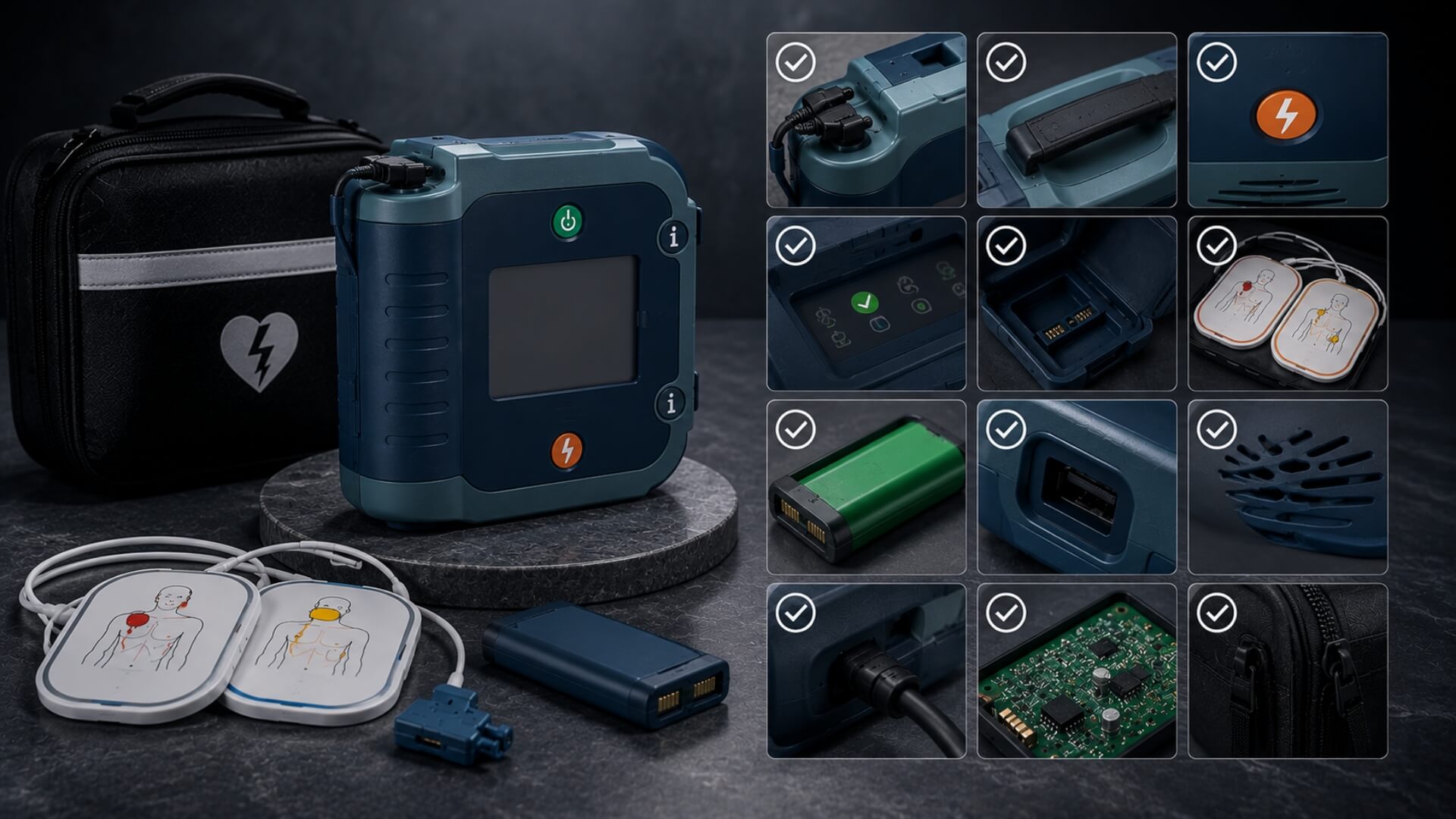
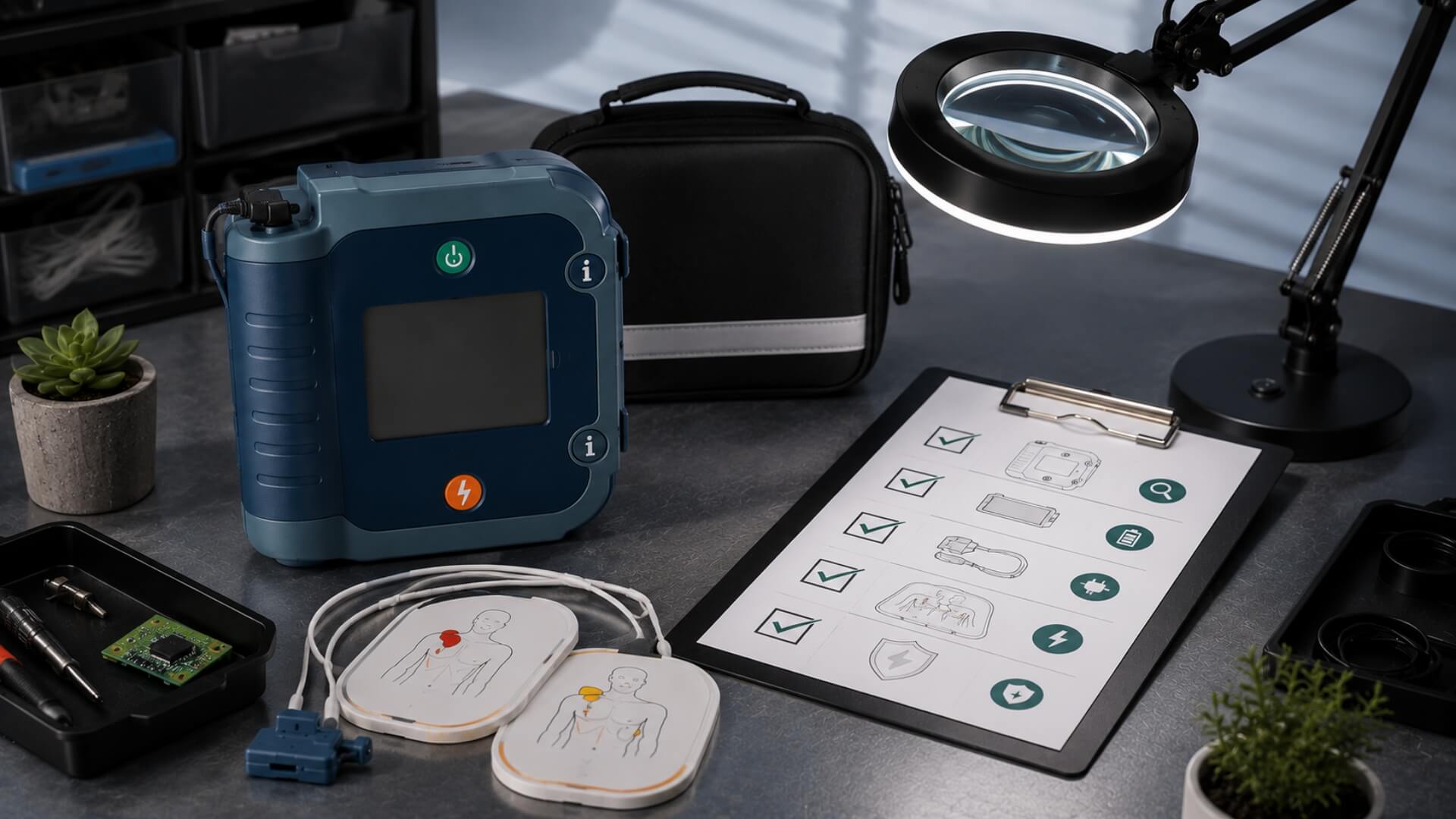
- Connectivity: A good AED should do self-checks and track its surroundings. It should show its status clearly and make usage data easy to access. This way, it’s always ready when you need it.
FAQs
What is an AED for the home?
An AED for the home is a portable device. It treats sudden cardiac arrest by delivering a shock. This shock helps restore a normal heart rhythm. It’s easy to use and is made for non-medical users to respond quickly during emergencies.
Who should have a home defibrillator?
If you have heart problems, a family member at risk, or want to be ready, think about getting a home defibrillator. Sudden cardiac arrest can happen anytime. Having a personal AED defibrillator at home can save lives.
What is the cost of an AED for home use?
The cost of an AED varies depending on the brand and features, with a range from $1,200 to $2,000. Extra expenses may include replacement batteries and pads over time.
Can anyone buy an AED for home use?
Yes, anyone can buy an AED. Most personal AED defibrillators don’t need a prescription. This makes them easy for individuals and families to access, so they can stay prepared.
Is a personal AED defibrillator easy to use?
Yes, modern AEDs for home use have voice prompts and clear instructions. This makes them easy to use, even without medical training. Many models also perform self-checks to ensure they are ready to use.
Conclusion
Having an AED machine for home use isn’t a precaution-it’s a proactive step toward protecting the people you love. A personal AED defibrillator can save lives. If you care for someone with a heart condition, keep an AED nearby. It’s vital when every second counts. A home defibrillator is easy to use and doesn’t need a prescription. It’s made for every household. This device provides peace of mind and can save a life before help arrives.