

Heartsine Samaritan PAD 360P
Experience the Award-Winning Design of the HeartSine 360P At just 2.4 pounds, the Samaritan PAD 360P is the smallest and lightest AED on the market. It also has the highest.
★★★★★
Verified 2026 authorized US distributor pricing. Bundle pricing often 8-12% lower.
Both authorized US distributors. Full manufacturer warranty. Authentic pads + batteries.
Technical Specifications.
- 🎯 The Editorial Verdict
Experience the Award-Winning Design of the HeartSine 360P
At just 2.4 pounds, the Samaritan PAD 360P is the smallest and lightest AED on the market. It also has the highest durability ratings of any defibrillator currently available. It boasts: An IP65 Dust & Water Rating, Military Standard Drop Test Certification. These features, coupled with the streamlined simplicity, make the 360P an ideal AED for offices, schools, churches, hotels, and other locations where a lay responder may be required to respond in an emergency.
The HeartSine 360P is the U.S. outdoor AED standard. IP56-rated for dust-tight protection and powerful jet-water resistance — survives sports field rain, marina spray, construction-site dust, and pool-deck humidity. Auto-detects pediatric vs adult patients via universal Pad-Pak — no separate key, no pad swap. 2.4 lbs, the lightest fully-automatic AED on the market. $1,195 from authorized U.S. distributors.
The HeartSine 360P is the fully-automatic sibling of the 350P — same 2.4-lb body, same 4-year Pad-Pak workflow, same 8-year warranty. The differences: when the device determines a shock is needed, it delivers it automatically (no button press required), and the IP56 chassis withstands dust and powerful water-jet exposure for outdoor sports fields, marinas, construction sites, and pool decks. We recommend it specifically for two scenarios: outdoor venues with unpredictable weather and environments where rescuer hesitation is the most likely failure mode.
Best for
- Outdoor sports fields + marinas + pool decks
- Construction sites + farms + utility crews
- Churches + community halls (untrained rescuers)
- Senior living (button-press hesitation is real)
- Anywhere, weather exposure is daily
Not ideal for
- Trained-responder gyms (semi-auto offers more control)
- Indoor-only deployments at $1,295 (350P is $300 less)
- Buyers wanting CPR rate guidance (HeartSine 450P)
What We Like
What We Don't
Who Should Buy the Heartsine Samaritan PAD 360P ?
⚡ Plan Your FRx Deployment
Coverage, cost, and compliance— three tools, 10 minutes total.
Step 1
Quantity Calculator
How many FRx units does your facility need? Building type, sq ft, floor count. AHA 3-minute standard.
Step 2
Cost Calculator
True 5-year FRx program cost. Device + pads + battery + cabinet + inspection + training + registration.
Step 3
State AED Laws
Is FRx required in your state? 43+ states mandate school AEDs. 32+ mandate gym AEDs. Get the specific rule.
- ⚖️ Head-to-Head
Compare Heartsine Samaritan PAD 360P side-by-side.
Philips FRx vs ZOLL AED Plus
The two most-recommended AEDs. Pediatric key vs CPR feedback. Which one wins for your facility?
Philips FRx vs HeartSine 350P
Editor's Pick vs Budget Winner. Is the $949 price difference worth it for pediatric capability?
Philips FRx vs Philips OnSite
Same brand, different tier. Is the FRx worth the $415 upgrade over the OnSite? Depends on children.
- Also Consider
Related FDA-cleared AEDs.

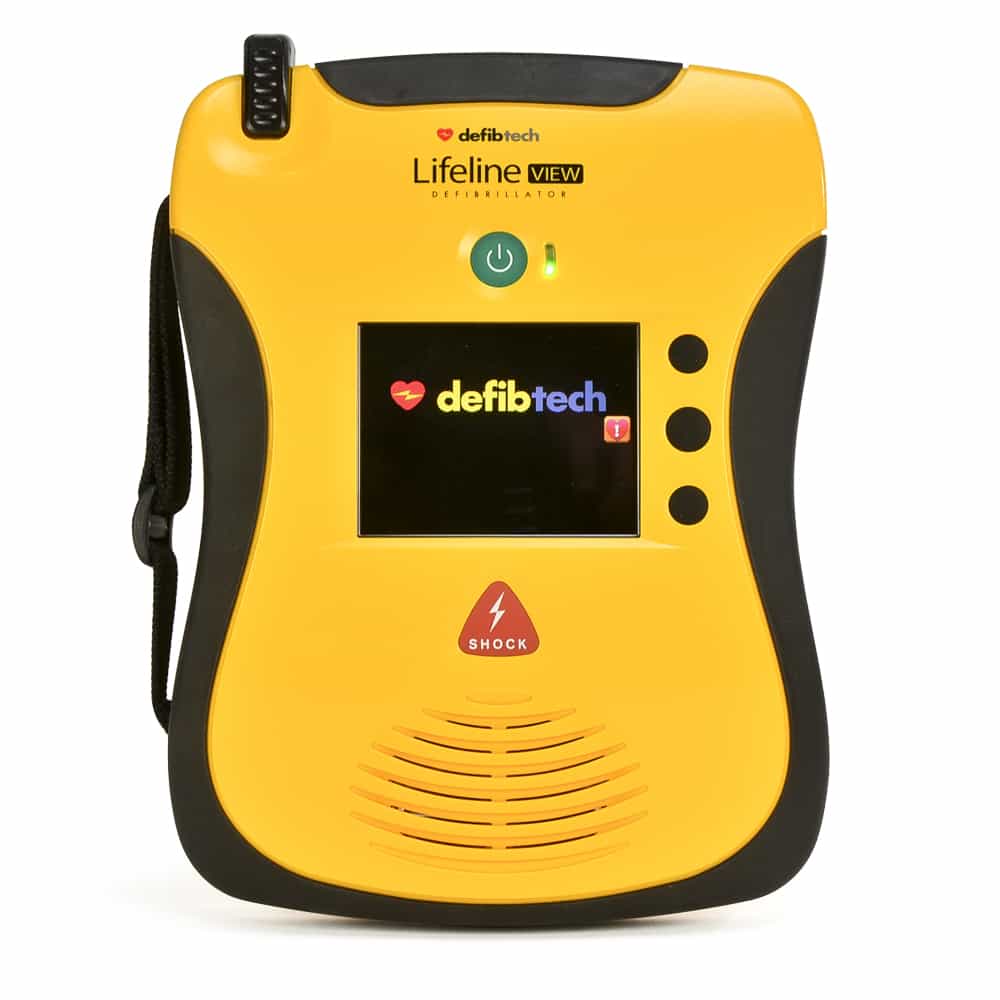
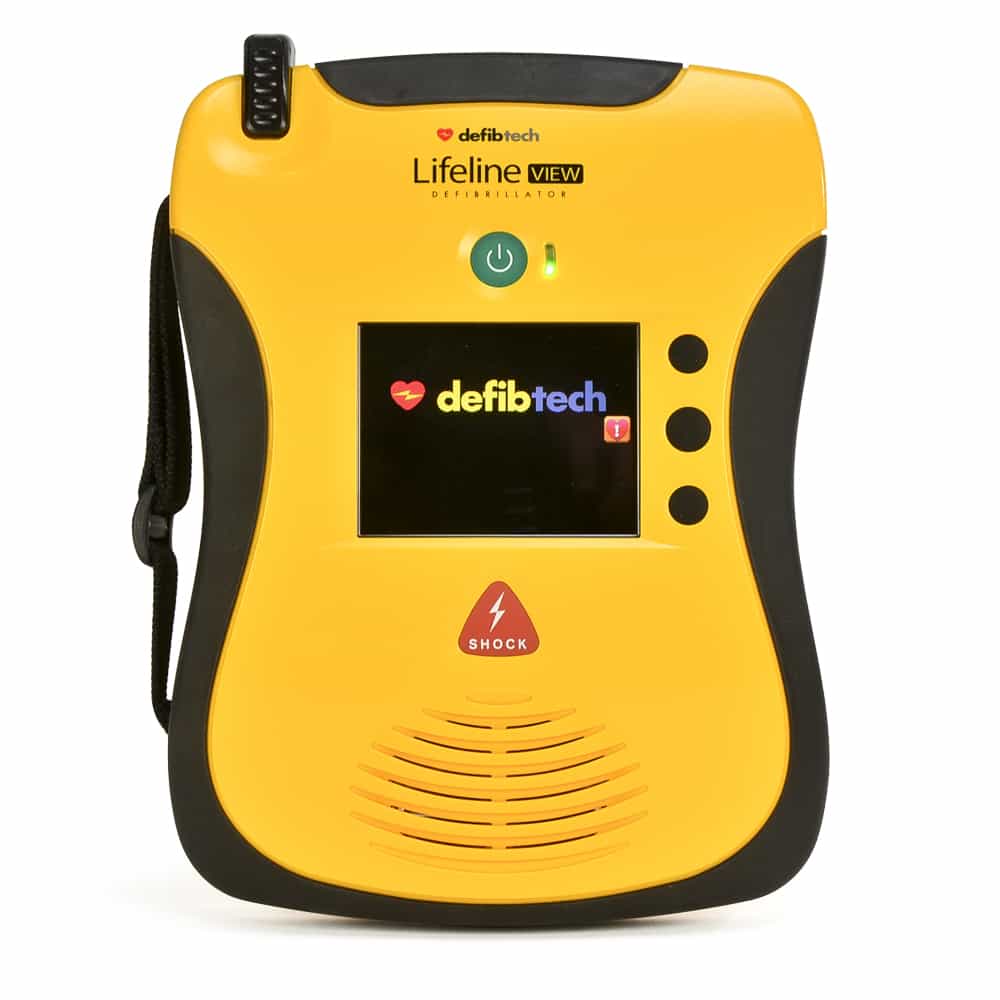
- Common Questions
Frequently asked questions.
What does IP56 actually mean for AED use outside?
IP56 means the HeartSine 360P is fully dust-tight and protected against powerful water jets from any direction. It survives sports-field rain, marina spray, construction dust, pool deck humidity, and outdoor weather exposure year-round. That’s stronger than the IP55 rating on the Philips FRx, ZOLL AED 3, and Powerheart G5. It is not submersible — never drop it in water. For most real outdoor use cases including unconditioned outdoor cabinets, IP56 is the right rating, and the 360P is one of the lightest IP56 AEDs on the market at 2.4 lb.
Fully-automatic vs semi-automatic AED — which is safer?
For untrained rescuers, fully-automatic AEDs like the 360P are usually safer because they remove the button-press hesitation that defeats many real-world rescues. The device delivers the shock automatically after countdown prompts, eliminating the moment a panicked rescuer freezes. Semi-automatic devices require a deliberate button press, which trained responders prefer because it gives them final control. For churches, senior living, construction sites, and any environment where the rescuer is most likely a first-timer, fully-auto wins.
HeartSine 360P vs 350P — should I pay $300 more?
Pay the $300 only if you need outdoor IP56 durability or fully-automatic shock delivery. The 350P at $995 is also IP56 but semi-automatic, lighter weight, and lower-cost. Both share the same Pad-Pak cartridges and 8-year warranty. The 360P’s two genuine upgrades are the fully-auto workflow for untrained-rescuer environments and slightly more rugged housing. For indoor offices, the 350P is the better value. For outdoor sites with untrained crews, the 360P pays back in reduced rescuer hesitation.
Can I use the 360P in the rain?
Yes — IP56 protects against rain falling on the cabinet and even powerful water jets during a rescue. Sports-field rescues during downpours, marina deck rescues during spray, and outdoor venue rescues in inclement weather are all within spec. You should still avoid sustained submersion, but ordinary outdoor weather exposure is exactly what the 360P is rated for. Keep the cabinet door closed when not in use and the device will tolerate years of mounted outdoor exposure without degradation.
Does fully-auto mean I can't clear the patient first?
No — the 360P still announces a clear-the-patient countdown before delivering the shock. You hear “stand clear, analyzing rhythm” followed by “shock advised, stand clear” with a 3-second window to step back. The difference vs semi-automatic is that no rescuer button-press is required; the device delivers the shock automatically after the countdown finishes. AHA-recommended clearing safety is built into the workflow — fully-auto removes one friction point without compromising patient or rescuer safety.
- Verification & Sources
Every FRx spec traces to a primary source.
FDA 510(k) K043002
Philips HeartStart FRx clearance verification
Philips Healthcare
Official product documentation + specifications
AED Leader
Current 2026 US retail pricing reference
American Heart Association
CPR + AED placement guidelines
American Red Cross
Pediatric AED guidance (under 8 / 55 lbs)
AEDBB Methodology
Full editorial framework · 4 primary sources · monthly verified