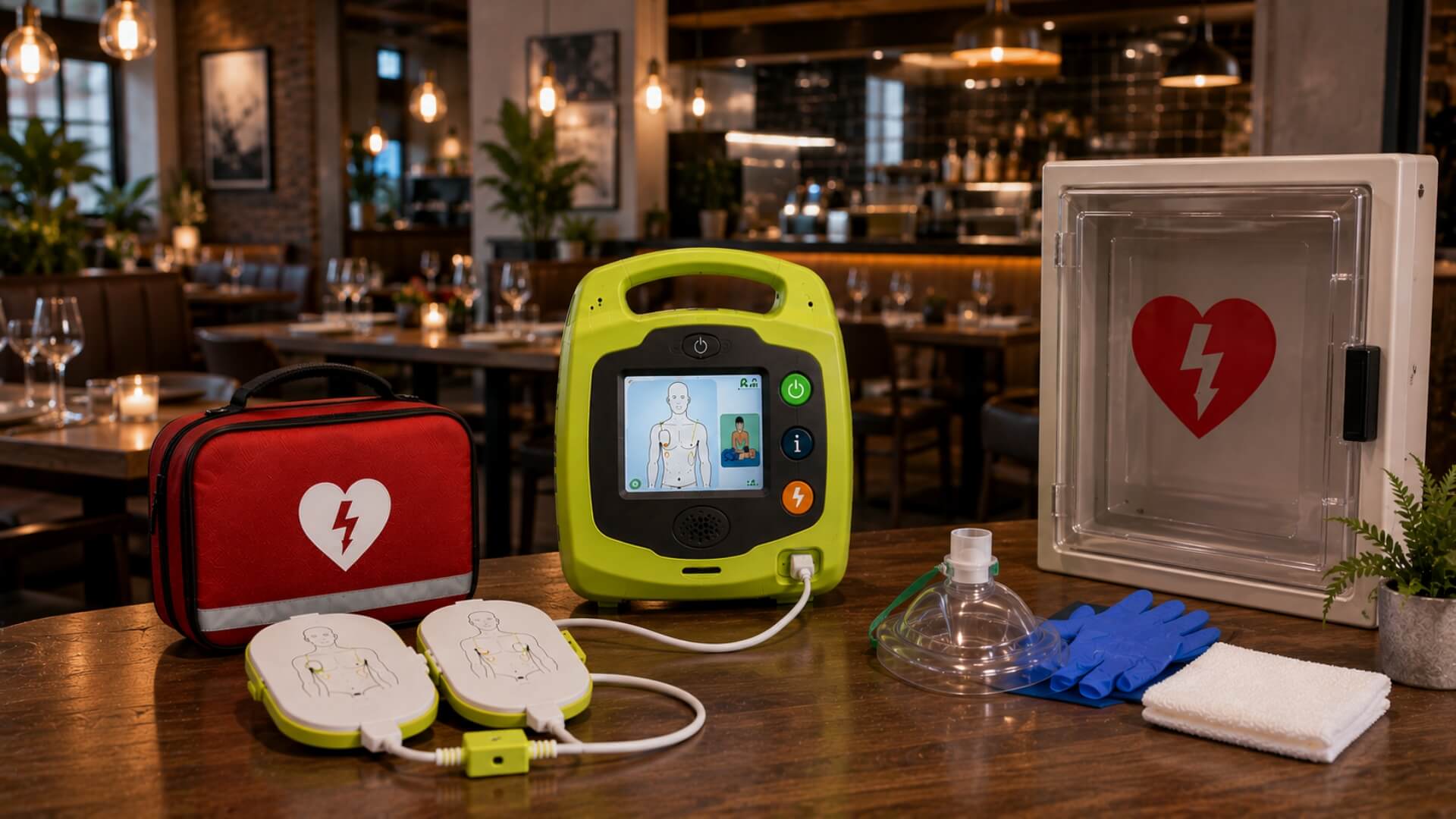
Restaurants don’t typically appear at the top of AED purchase priority lists, but they should. The combination of choking events that can deteriorate into cardiac arrest, older patron demographics at evening dining hours, and venues serving 50+ guests creates an environment where a cardiac event during service is more probable than facility managers realize.
Several states require AEDs in restaurants over specific occupancy thresholds. More importantly, the operational case for voluntary placement is strong: restaurant staff handles choking emergencies regularly, and the workflow transition from Heimlich to AED rescue if a patron loses consciousness is a documented training gap most quick-service and casual-dining operators have not addressed.
Quick answer
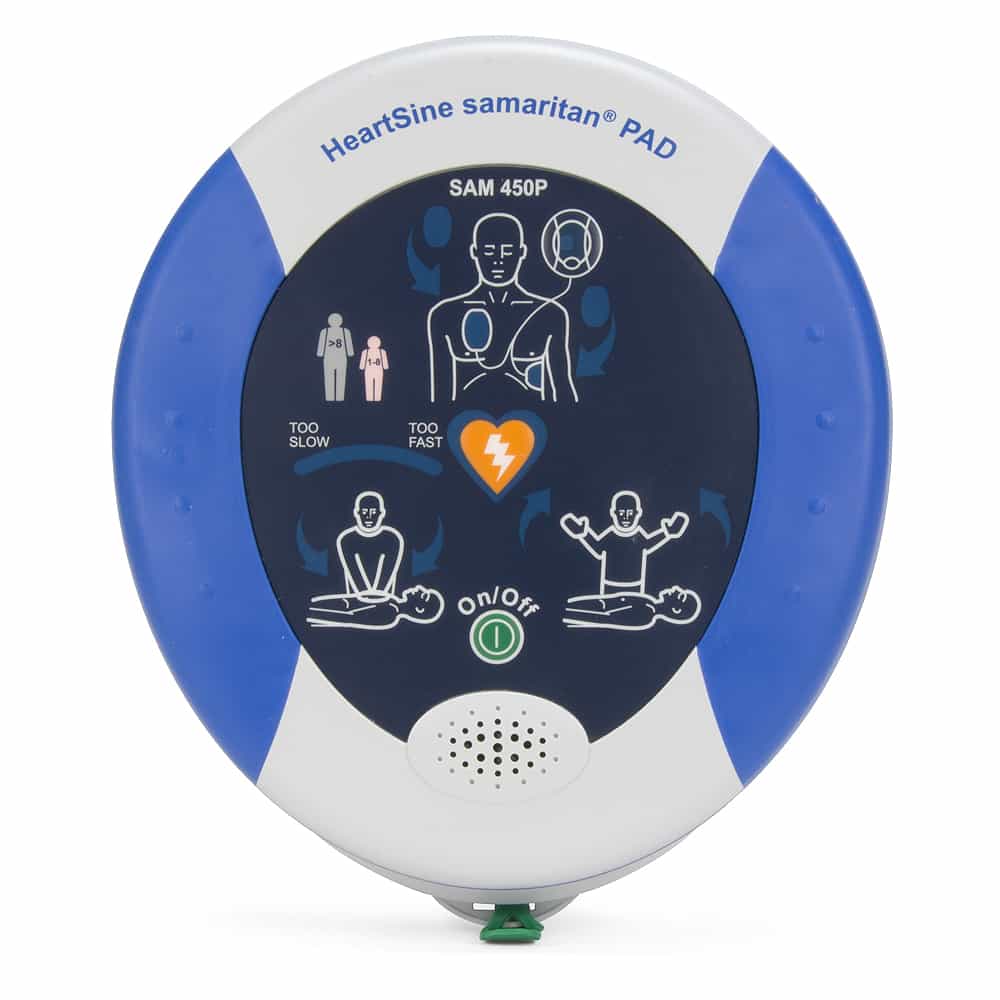
For restaurants, the Philips HeartStart OnSite is the standard pick, pull-handle simplicity matches high-turnover restaurant staff training reality. HeartSine 350P for small independent restaurants under 50 seats. Defibtech Lifeline View for upscale or multilingual venues where untrained staff benefit from video instruction.
The choking-to-cardiac-arrest transition
Per the Heimlich Institute clinical data, prolonged choking events that fail Heimlich intervention can deteriorate into cardiac arrest within 4–6 minutes via hypoxia. The rescue workflow shifts from airway clearance to CPR + AED at that point, and most restaurant staff CPR training does not address this transition.
The implication: the restaurant AED needs to be deployed in coordination with a choking response, not as a separate, isolated rescue tool. Staff training should cover the workflow handoff.
State law context for restaurants
Some states require AEDs in public-assembly venues (including restaurants) above occupancy thresholds, typically 50+ or 100+ seats. Florida, California, Nevada, and New York apply broader public-access laws that often cover restaurants. Local ordinances may add restaurant-specific mandates.
Most states leave restaurant AED placement voluntary, but liability counsel increasingly recommends placement at any venue serving 50+ guests during peak hours due to public-access civil exposure.
The 3 picks for restaurants
| Model | Price (2026) | Best for | Why |
|---|---|---|---|
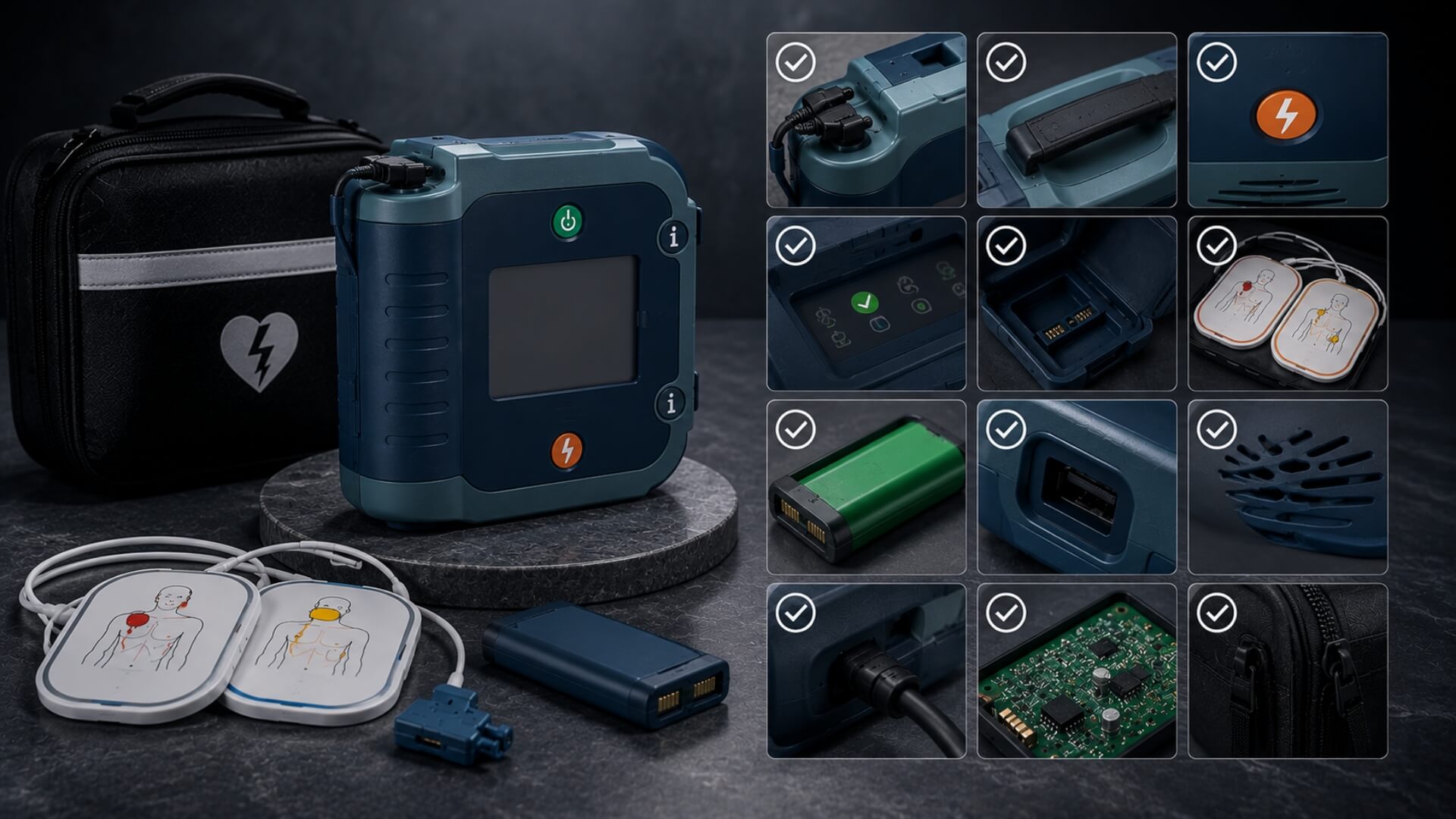
| Philips HeartStart OnSite | $1,589 | Standard pick | Pull-handle simplicity for high-turnover staff |
| HeartSine 350P | $1,411 | Small independent < 50 seats | Cheapest credible option, 10-yr warranty |
| Defibtech Lifeline View | $2,024.95 | Upscale or multilingual venues | Video screen for untrained/non-native rescuers |
Real-world deployment scenario
Mid-size casual-dining restaurant, 120 seats, 25 staff per shift, average evening turnover ~70%. Located in a state with a public-access mandate at 100+ seats. Recommendation: 1 × Philips HeartStart OnSite mounted near the host stand. ~$1,589 device + $149 cabinet + ~$60 signage = $1,738 first-year cost. CPR + AED training for shift managers (4 people): $200/year. 5-year program total: ~$2,400.
Verdict by restaurant profile
Standard Restaurant · 50–200 Seats · High Turnover
Philips HeartStart OnSite
Pull-handle simplicity. Calm voice prompts. The default pick for restaurant deployments where staff training is inconsistent.
Upscale / Fine Dining / Multilingual Staff
Defibtech Lifeline View
A color video screen reduces rescuer hesitation when language or training is inconsistent.
Frequently asked questions
Are AEDs required in restaurants?
Some states require it for venues over occupancy thresholds (50–100+ seats). Verify your state via the AED Laws by State guide.
Should restaurant staff be trained in both Heimlich and CPR + AED?
Yes. Choking events can deteriorate into cardiac arrest. Combined training covers the workflow transition.
Where should the AED be mounted in a restaurant?
Near the host stand or main entry, visible, accessible without going through the kitchen. Unlocked the alarmed cabinet at chest height.
Does outdoor patio seating count toward the AED quantity?
If patio seating is more than 90 seconds walking distance from the interior AED, yes, separate placement is warranted.
Can a restaurant chain negotiate bulk AED pricing?
Yes. AED Leader and Response Ready offer 10–20% bundle pricing for 5+ unit orders.
What if a customer dies during a cardiac event, is the restaurant liable?
Good Samaritan laws in all 50 states protect rescuers acting in good faith. Civil liability is materially reduced by demonstrable AED program + staff training. Consult legal counsel for your specific jurisdiction.
Run the math for your specific facility
Get the 60-second AED recommendation matched to your environment, training level, and budget. Free, no email required.
Educational guidance. Not legal advice. Verify local mandates.